• English
  • Deutsch
  • 日本語
  • Français
  • Español
  • Italiano
  • Nederlands
  • Polskie
  • ไทย
  • Bahasa Melayu
  • เบลเยียม
  • แคนาดา
  • เช็ก
  • ฟินแลนด์
  • ฝรั่งเศส
  • เยอรมนี
  • ไอซ์แลนด์
  • ไอร์แลนด์
  • อิตาลี
  • ลิทัวเนีย
  • ลักเซมเบิร์ก
  • เม็กซิโก
  • เนเธอร์แลนด์
  • โปแลนด์
  • โปรตุเกส
  • รัสเซีย
  • สเปน
  • สวีเดน
  • สวิตเซอร์แลนด์
  • สหราชอาณาจักร
  • สหรัฐอเมริกา

ไม่พบสกุลเงินที่เกี่ยวข้อง

ปิด

Jewelry Industry Terms
We help you understand the mysterious world of jewelry.
Jewelry Industry Terms

We help you understand the mysterious world of jewelry.

Jewelry Materials Main Classification

Precious Metals:
  • Gold: Different purity levels, typically expressed in carats (e.g., 18K gold).
  • Platinum: A rare and corrosion-resistant precious metal used in high-end jewelry.
Gemstones:
  • Diamond: A carbon crystal with high hardness and refractive index, widely used in rings, necklaces, etc.
  • Sapphire: A blue gemstone, a variety of corundum.
  • Ruby: A red gemstone, also a variety of corundum.
Organic Gemstones:
  • Pearl: An organic gemstone typically formed by layer upon layer of shell material.
  • Coral: An organic gemstone often used in marine-themed jewelry.
Semiprecious Stones:
  • Jade: A high-hardness semiprecious stone, commonly found in Oriental jewelry.
  • Garnet: A group of colorful semiprecious stones suitable for various jewelry.
Other Metals:
  • Silver: Used for crafting lower-cost jewelry, possesses good anti-oxidation properties.
  • Titanium: A lightweight and corrosion-resistant metal used in modern-style jewelry.
  • Ceramic: A lightweight, scratch-resistant material used in fashion jewelry.
  • Wood: Commonly used in handcrafted and fashion jewelry.
  • Synthetic Diamond: Man-made diamonds with similar physical and chemical properties.
  • Synthetic Gemstone: Laboratory-created gemstones, such as synthetic sapphires and rubies.

Design and Craftsmanship

Designer and Design Terms:
  • Jewelry Designer: A professional responsible for creating unique jewelry designs.
  • Design Sketch: Hand-drawn or computer-generated illustrations used by designers to present jewelry concepts.
  • Blueprint: Detailed jewelry design drawing containing dimensions and material specifications.
Craftsmanship Terms:
  • Inlay: The process of embedding different materials into jewelry to create patterns or decoration.
  • Casting: The manufacturing process of forming jewelry shapes by injecting molten metal into molds.
  • Engraving: Using tools to carve patterns or text onto the surface of metals.
  • Polishing: The process of smoothing and shining the surface of jewelry through grinding and buffing.
  • Soldering: Joining metal components together using high temperatures.
Cutting and Gemstone Processing Terms:
  • Cutting Technique: The method of cutting diamonds or other gemstones that affects light reflection and refraction.
  • Setting Technique: The specific way of mounting gemstones onto jewelry, such as prong setting or bezel setting.
Surface Treatment and Decoration Terms:
  • Enamel: A colored glass coating applied to the surface of jewelry to add color and texture.
  • Shell Inlay: The craftsmanship of decorating jewelry using seashells or shell fragments.
Fashion and Innovative Design Terms:
    • Custom Jewelry: Unique designs tailored to customer preferences and requirements.
    • Digital Design: Creating jewelry designs using computer-aided design (CAD) tools.
  • Cultural and Historical Influences:

    • Antique Jewelry: Vintage jewelry with historical value and unique designs.
    • Traditional Crafts: Craftsmanship influenced by specific cultures or historical periods.

Jewelry Category

  1. Rings:

    • Engagement Ring: A ring used for proposals, typically featuring a central diamond or gemstone.
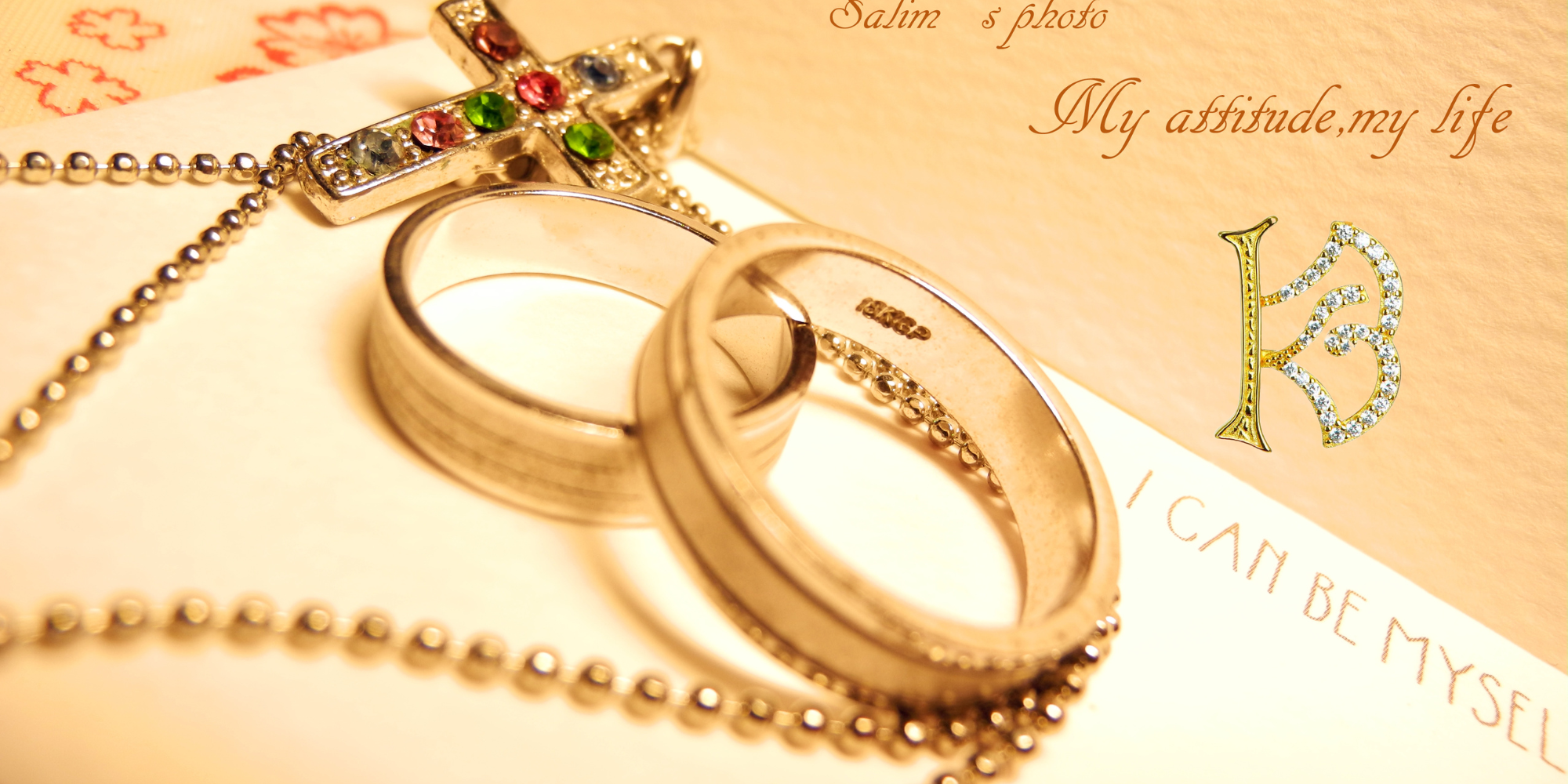
    • Wedding Ring: Symbolizes marriage, often composed of two matching bands.
  2. Necklaces:

    • Pendant: A detachable necklace ornament, usually suspended from a chain.
    • Pearl Necklace: A necklace composed of a string of pearls.
  3. Bracelets:

    • Bangle: A rigid bracelet, often a closed loop.
    • Chain Bracelet: A bracelet made up of chains, either single or multiple strands.
  4. Earrings:

    • Dangle Earrings: Earrings that hang down from the ear.
    • Stud Earrings: Earrings fixed on the earlobe.
  5. Brooches:

    • Floral Brooch: A brooch design featuring flowers.
    • Abstract Brooch: A brooch with abstract shapes or patterns.
  6. Cufflinks:

    • Classic Cufflinks: Traditional-designed cufflinks, usually made of metal.
    • Custom Cufflinks: Cufflinks customized according to individual taste and preferences.
  7. Anklets:

    • Simple Anklet: An anklet composed of a single chain.
    • Beaded Anklet: An anklet incorporating beaded elements.
  8. Finger Rings:

    • Ring: Various rings worn on fingers, ranging from single stone rings to multiple stone rings.
  9. Jewelry Sets:

    • Matching Set: A set of jewelry including a matching necklace, earrings, and ring.
  10. Headpieces:

    • Tiara: A headpiece adorned with gemstones or decorations, often worn on special occasions.
  11. Chokers:

    • Collar Necklace: A short necklace closely fitting the neck.
  12. Functional Jewelry:

    • Watches: Accessories that serve both as jewelry and have practical functions.

Jewelry Quality and Evaluation

  1. Gemstone Quality Assessment:

    • Carat (Carat): Unit of measurement for the weight of gemstones.
    • Cut: The quality of gemstone cutting that affects its appearance, including proportions, symmetry, and brilliance.
    • Color: Grading the color quality of gemstones, applicable to diamonds and other gemstones.
    • Clarity: Evaluating the degree of inclusions and flaws within gemstones.
  2. Metal Quality Assessment:

    • Purity: Indicates the percentage of pure gold in gold or other precious metals, e.g., 18K gold.
    • Color: For metals like platinum, assessing the quality of their color.
    • Hardness: Measures the metal's resistance to scratching and deformation.
  3. Craftsmanship Quality:

    • Craftsmanship Level: Measures the quality of jewelry manufacturing processes, including carving, inlay, and polishing.
    • Setting Quality: Evaluates the quality of gemstone setting in jewelry, ensuring it is secure and aesthetically pleasing.
  4. Design Quality Assessment:

    • Uniqueness: Measures the uniqueness and innovation of jewelry design.
    • Popularity: Measures how well the design aligns with current fashion trends and its level of popularity.
  5. Brand Reputation and Certification:

    • Brand Reputation: Based on the manufacturer's or designer's reputation in the industry.
    • Certification: Quality assurance for gemstones and jewelry issued by authoritative institutions.
  6. Jewelry Integrity:

    • Integrity: Measures whether the jewelry is intact and free from defects or damage.
  7. Value Assessment:

    • Market Value: Based on current market demand and supply, assessing the jewelry's market value.
    • Resale Value: Predicts the jewelry's potential for retention of value or appreciation in the future.

Sales & Marketing

  1. Sales Venues and Channels:

    • Boutique: A small retail store specialized in selling a particular brand or type of jewelry.
    • Jewelry Store: A retail store specializing in various types of jewelry.
    • Department Store: A large retail store offering a variety of products, including jewelry.
  2. Online Sales and E-commerce:

    • E-commerce Platform: An online platform for selling jewelry, such as Amazon, Blingku, etc.
    • Brand Website: The online sales channel owned by a jewelry brand.
    • Social Media Sales: Direct sales through social media platforms, such as Instagram shopping features.
  3. Jewelry Exhibitions and Trade Shows:

    • Jewelry Fair: Regularly held professional exhibitions focused on jewelry, attracting manufacturers, designers, and buyers.
    • Trade Show: Large-scale exhibitions covering various industries, including jewelry.
  4. Sales Strategies and Services:

    • Promotion: Temporary activities to stimulate sales, such as discounts, giveaways, etc.
    • After-Sales Service: Customer support and repair services provided after a purchase.
    • Custom Jewelry: Personalized jewelry tailored to customer preferences.
  5. Jewelers and Brands:

    • Jeweler: Businesses specialized in selling jewelry, which can be traditional brick-and-mortar stores or online platforms.
    • Jewelry Brand: A manufacturer known for its unique designs and craftsmanship.
  6. Market Trends and Positioning:

    • Sustainable Jewelry: A trend in jewelry manufacturing focused on environmental and social responsibility.
    • Target Market: Marketing strategy aimed at specific consumer groups, such as the high-end market or younger consumers.
  7. Digital Sales and Technology:

    • Virtual Try-On: Utilizing technology to allow customers to virtually try on jewelry.
    • Blockchain Technology: Digital technology used to ensure the authenticity and transparency of jewelry.

Jewelry making and finishing

  1. Metal Processing:

    • Casting: Forming the shape of jewelry by injecting molten metal into molds.
    • Forging: Changing the shape of metal by heating it and using pressure.
    • Polishing: Smoothing the metal surface using abrasives and polishing compounds.
  2. Gemstone Cutting and Processing:

    • Cutting: The process of shaping gemstones, including shaping, cutting techniques, and cut quality.
    • Faceting: Carving flat surfaces (facets) on gemstones to enhance light reflection and refraction.
    • Inlay: Embedding gemstones or other materials into metal to create patterns or designs.
  3. Jewelry Design and Model Making:

    • Blueprint: Detailed drawings of jewelry design, including dimensions and details.
    • Wax Modeling: Creating three-dimensional prototypes of jewelry designs using wax models.
    • CAD Design (Computer-Aided Design): Designing jewelry using computer software.
  4. Jewelry Engraving and Artistic Crafts:

    • Engraving: Carving patterns, text, or decorations on the metal surface.
    • Enameling: Coating the jewelry surface with colored enamel to add color and texture.
    • Jewelry Sculpting: Creating three-dimensional sculptures using metal or other materials.
  5. Material Treatment and Decoration:

    • Oxidizing: Generating an oxidized effect on metal by exposing it to oxygen and moisture.
    • Shell Inlay: Decorating the jewelry surface using seashells or shell fragments.
    • Gemstone Inlay: Embedding small gemstone particles on the jewelry surface to create patterns.
  6. Welding and Assembly:

    • Soldering: Joining metal parts together using high temperatures.
    • Assembling: The process of putting together various parts of jewelry to form the final product.

Jewelry Culture & History

  1. Cultural Traditions and Design Styles:

    • Ethnic Style: Jewelry designs influenced by specific cultural or ethnic traditions.
    • Classical Style: Traditional jewelry design inspired by ancient civilizations or historical periods.
  2. Historical Periods and Styles:

    • Ancient Egyptian Jewelry: Jewelry design influenced by ancient Egyptian culture and art.
    • Art Nouveau: An artistic style from the late 19th to early 20th century that profoundly impacted jewelry design.
    • Art Deco: Jewelry design style from the 1920s and 1930s characterized by geometric shapes and symmetry.
  3. Religious and Ritualistic Jewelry:

    • Religious Symbols: Symbols or patterns on jewelry representing religious beliefs.
    • Wedding Jewelry: Specialized designed jewelry for wedding ceremonies.
  4. Folklore and Mythical Themes:

    • Mythical Creatures: Animals depicted on jewelry with mythological significance.
    • Mythical Motifs: Patterns on jewelry inspired by myths or legends.
  5. Historical Periods and Regions:

    • Victorian Jewelry: Jewelry design from the era of Queen Victoria in 19th-century Britain.
    • Renaissance Jewelry: Jewelry design from the Italian Renaissance period.
  6. Antiques and Collectibles:

    • Antique Jewelry: Old jewelry with historical value and unique designs.
    • Collectible Jewelry: Uniquely designed jewelry with high collectible value.
  7. Ethnic Cultures and Indigenous Jewelry:

    • Native American Jewelry: Jewelry designs incorporating elements of Native American culture.
    • African Tribal Jewelry: Unique jewelry influenced by traditional African tribal elements.
  8. Royal and Noble Traditions:

    • Royal Jewelry: Luxurious jewelry worn by royalty or nobility.
    • Crown Design: Headpiece design representing royalty and power.

Jewelry Market Trends and Innovation

  1. Digitalization and Technological Innovation:

    • Virtual Try-On: Using virtual reality technology to allow consumers to try on jewelry online.
    • Blockchain Technology: Digital technology ensuring the authenticity and transparency of jewelry.
    • 3D Printing: Using three-dimensional printing technology to manufacture jewelry prototypes or customized designs.
  2. Environmental and Sustainable Development:

    • Sustainable Jewelry: Jewelry using environmentally friendly materials and manufacturing processes, emphasizing social responsibility.
    • Circular Economy: A business model reducing resource waste through reuse, recycling, and remanufacturing.
  3. Customization and Personalization:

    • Custom Jewelry: Uniquely designed jewelry created based on customer preferences.
    • Personalized Experience: Market strategy providing customers with a personalized shopping experience.
  4. Social Media and E-commerce:

    • Social Media Sales: Directly selling jewelry through social media platforms, including Instagram shopping features.
    • E-commerce Platform: Online platforms for selling jewelry through electronic commerce.
  5. Smart Jewelry and Wearable Technology:

    • Smart Jewelry: Integrating technologies such as sensors or smartphone connectivity into jewelry.
    • Wearable Technology: Combining technology with jewelry design to create innovative smart jewelry products.
  6. Social Media and Brand Influence:

    • Social Media Marketing: Using social media platforms for brand promotion and marketing.
    • Brand Collaborations: Collaborations between brands to drive innovation and market promotion.
  7. Market Trends and Consumer Behavior:

    • Jewelry Rental: Consumers renting jewelry instead of purchasing, aligning with sustainable consumption trends.
    • Millennial Trends: Market trends and design styles targeted at the younger generation of consumers.
  8. Art and Design Innovation:

    • Jewelry Art Exhibitions: Specialized exhibitions showcasing innovative designs and artistic value.
    • Designer Jewelry: Unique jewelry created by independent or well-known designers.
OUR BUSINESS

This is a complete guide to jewelry, materials, techniques, history, beliefs, and styles, including what to do to choose the right jewelry to show off your style, and what kind of jewelry is appropriate for what occasion. Find out what BlingKu has to say about wearing jewelry, tracking fashion trends, and customer reviews and answers to frequently asked questions about jewelry.
VISIT US!