(1)(1).png?w=846&h=369)
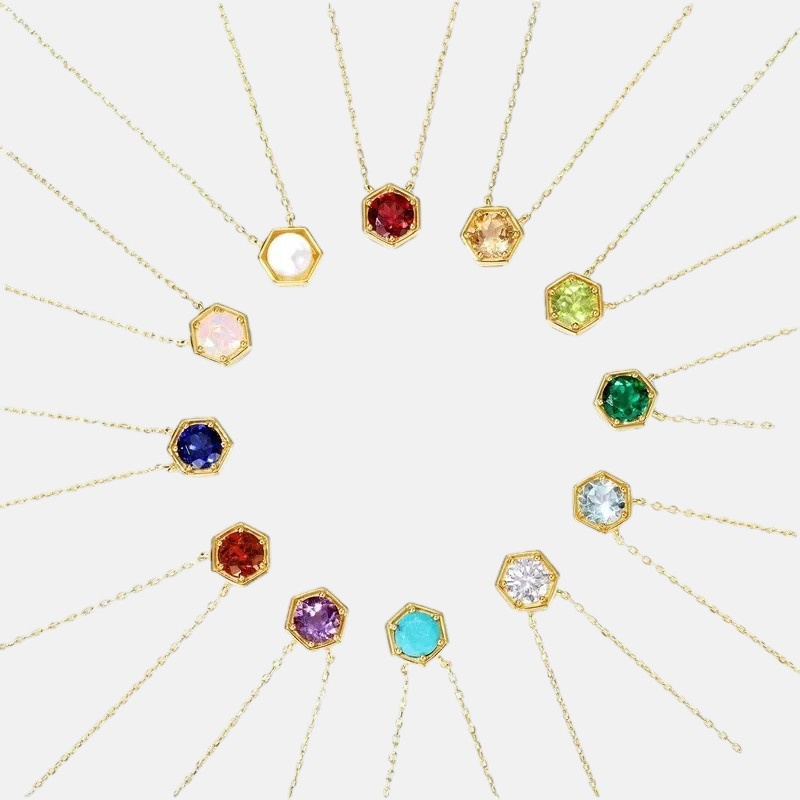
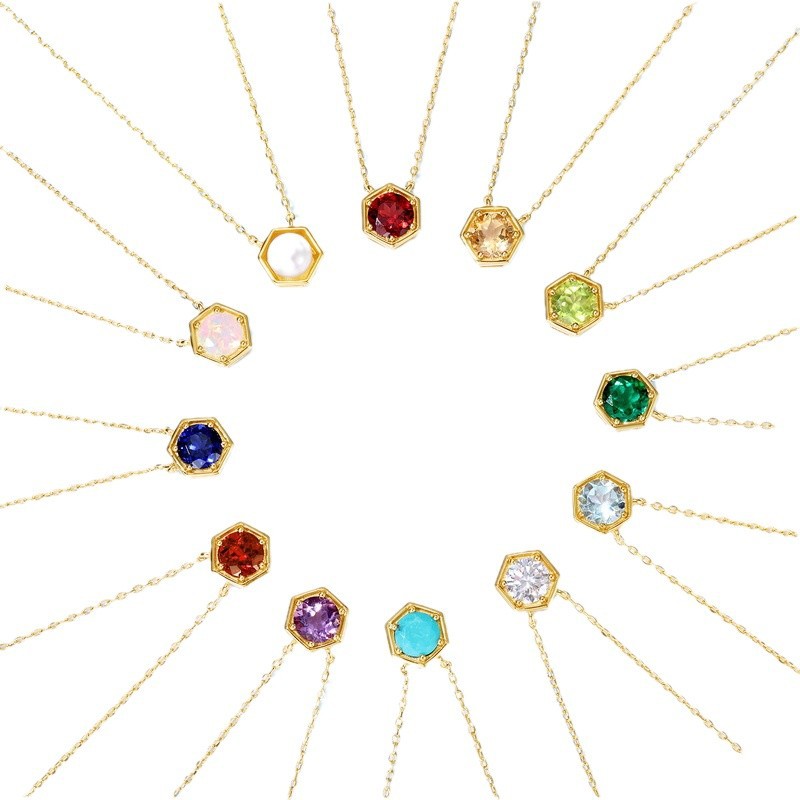
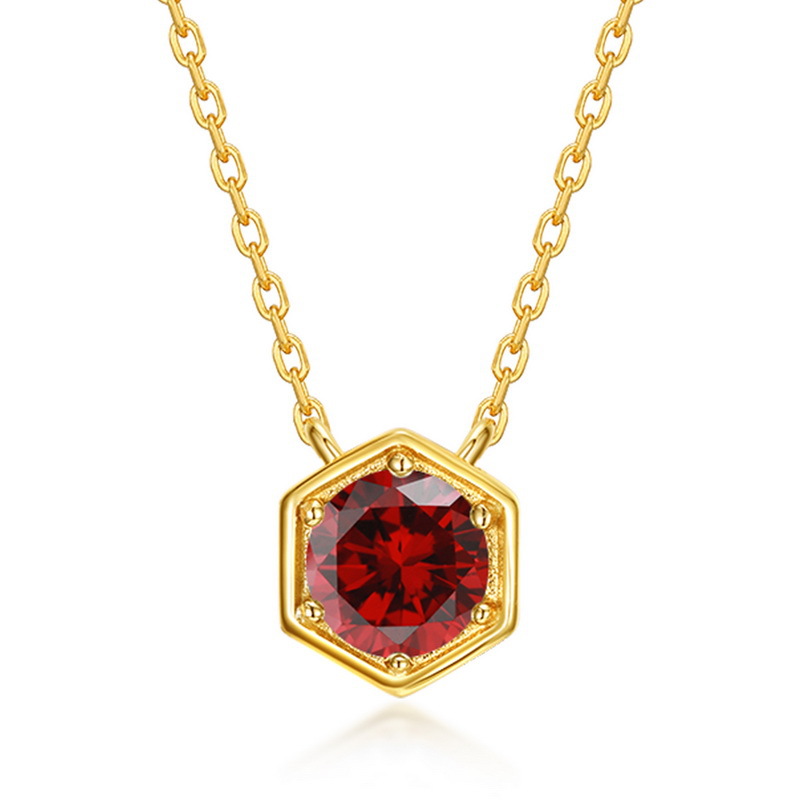
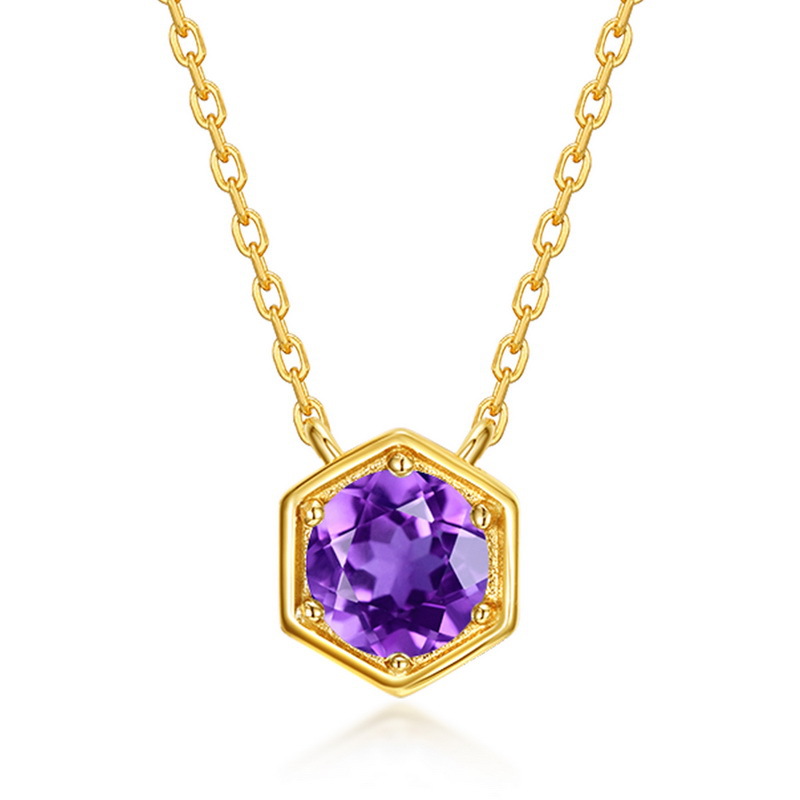
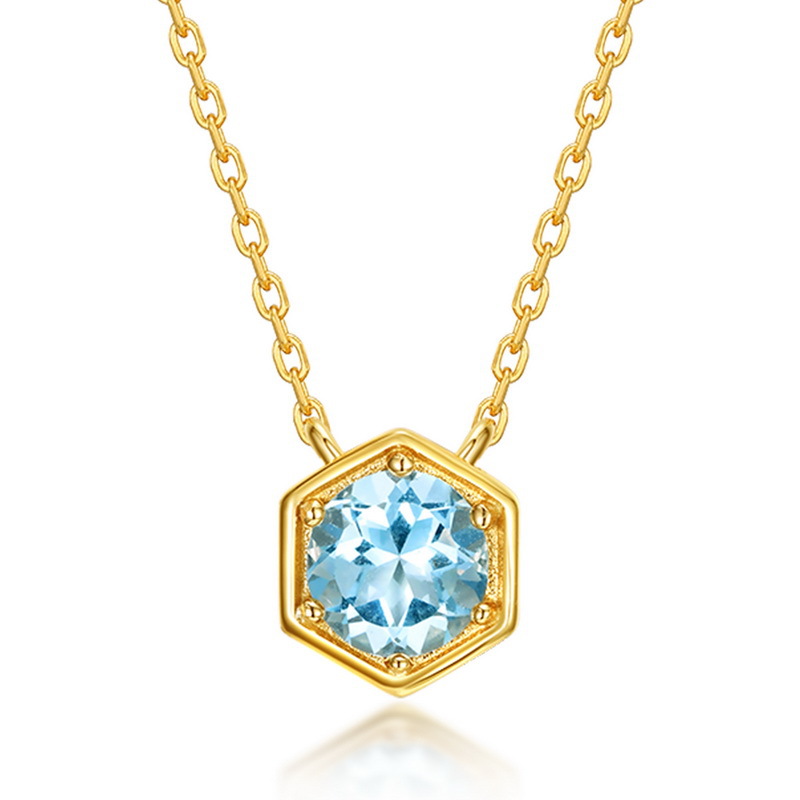
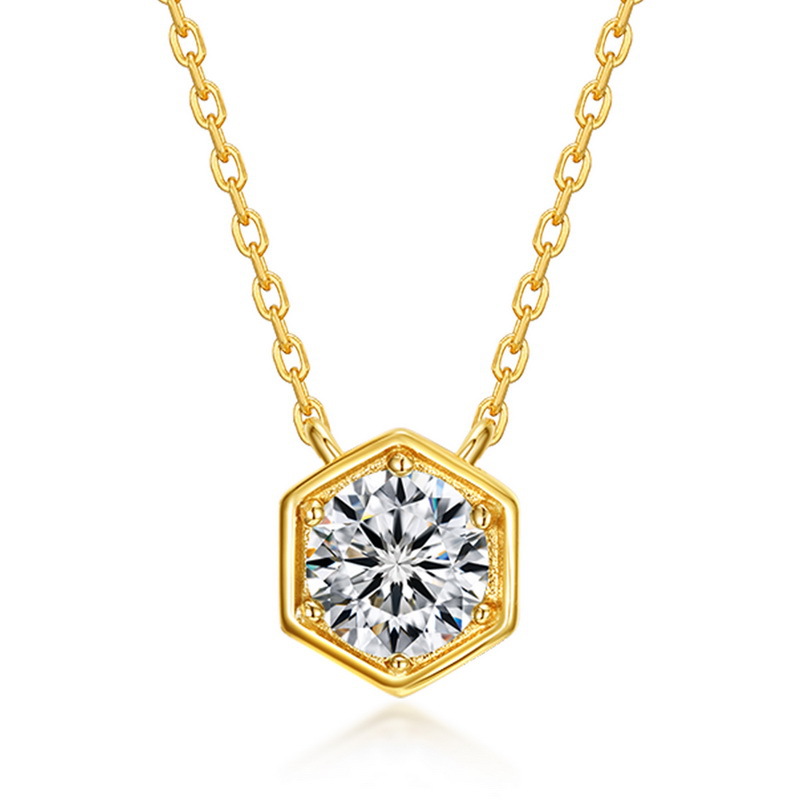
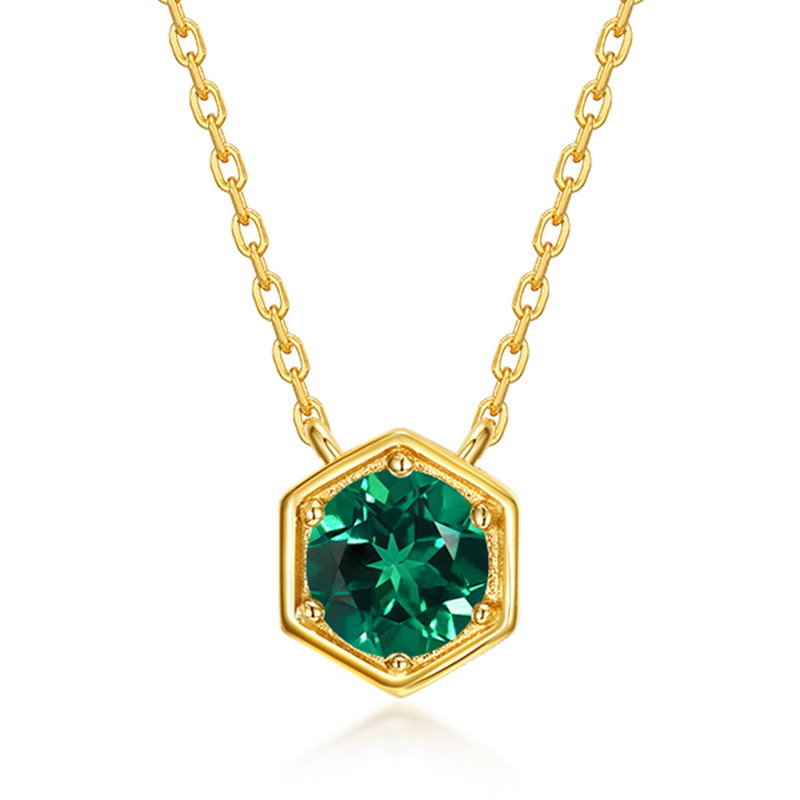
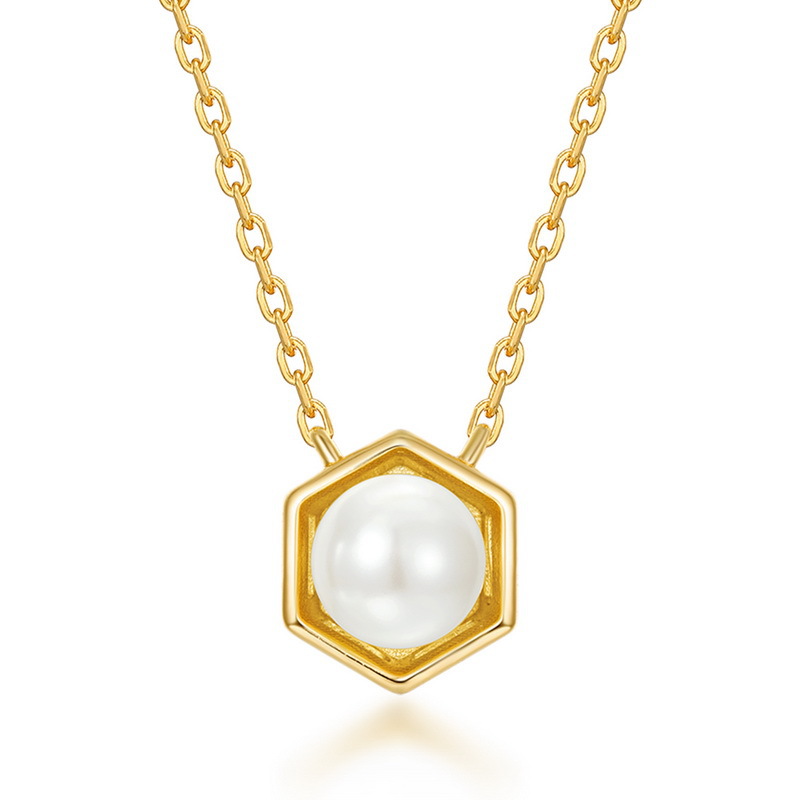
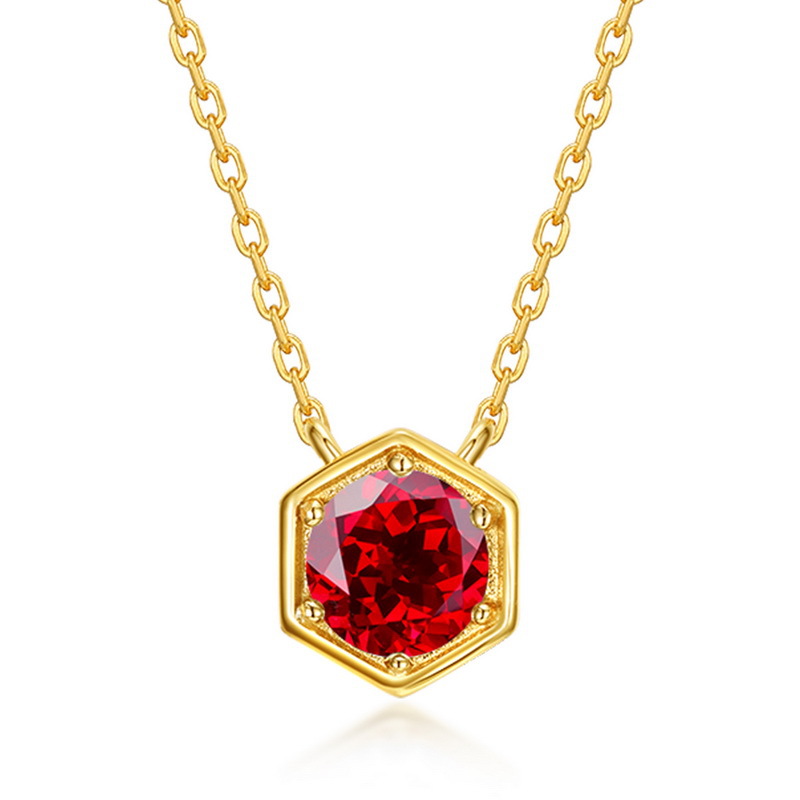
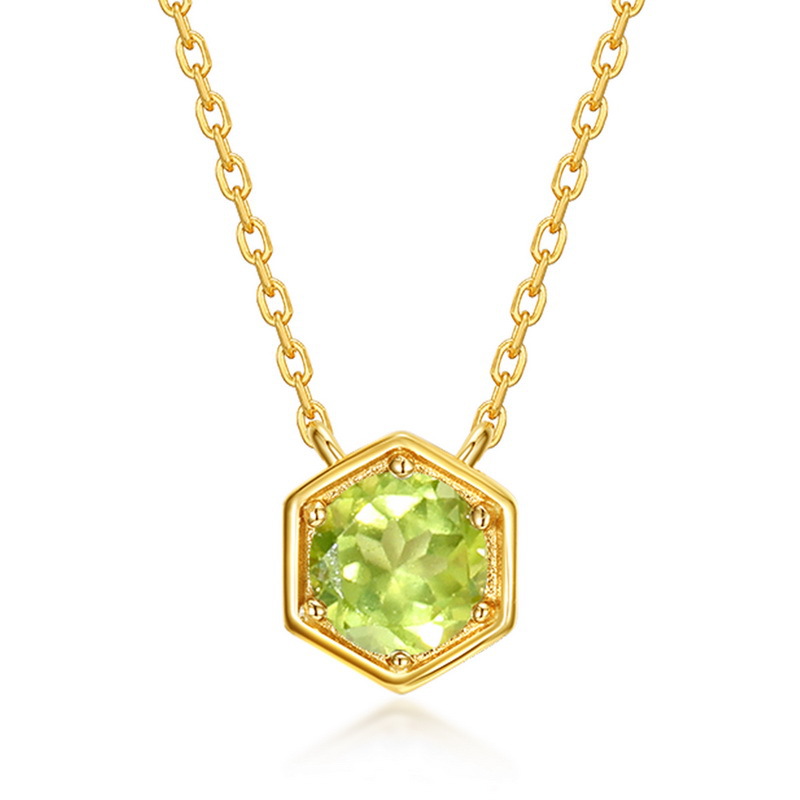
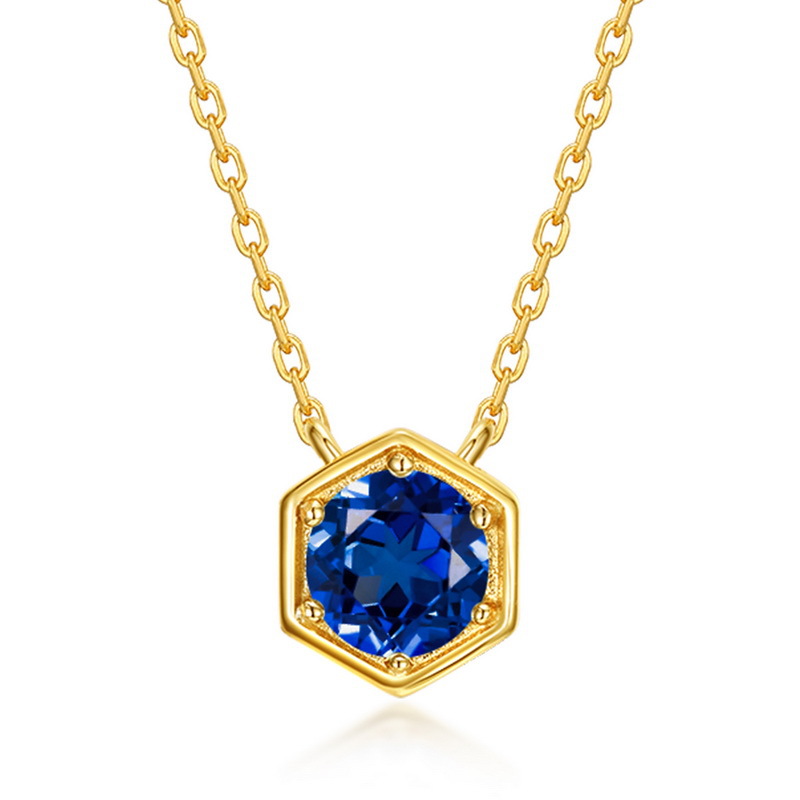
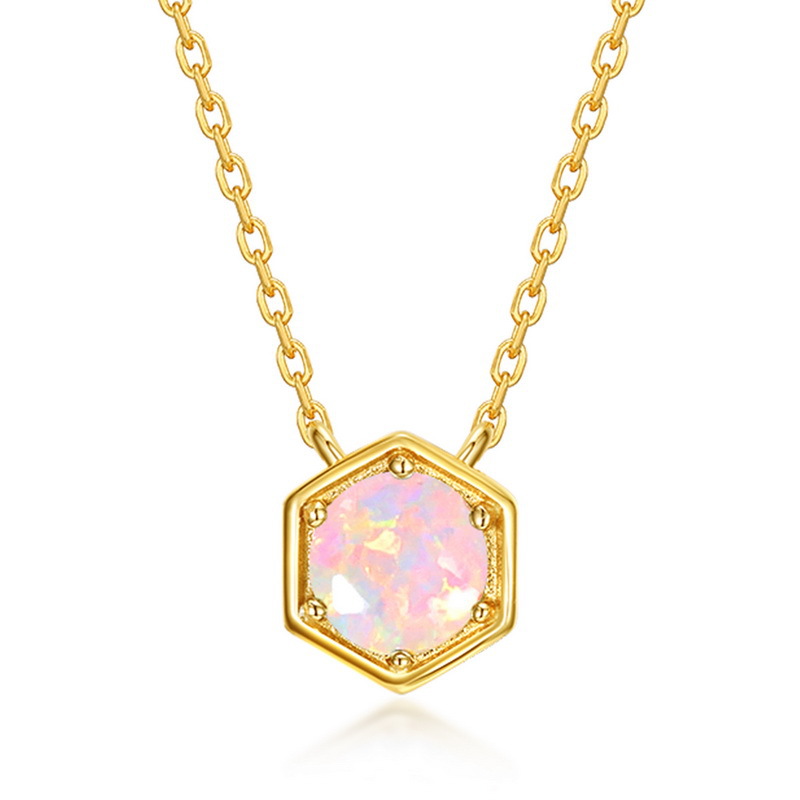
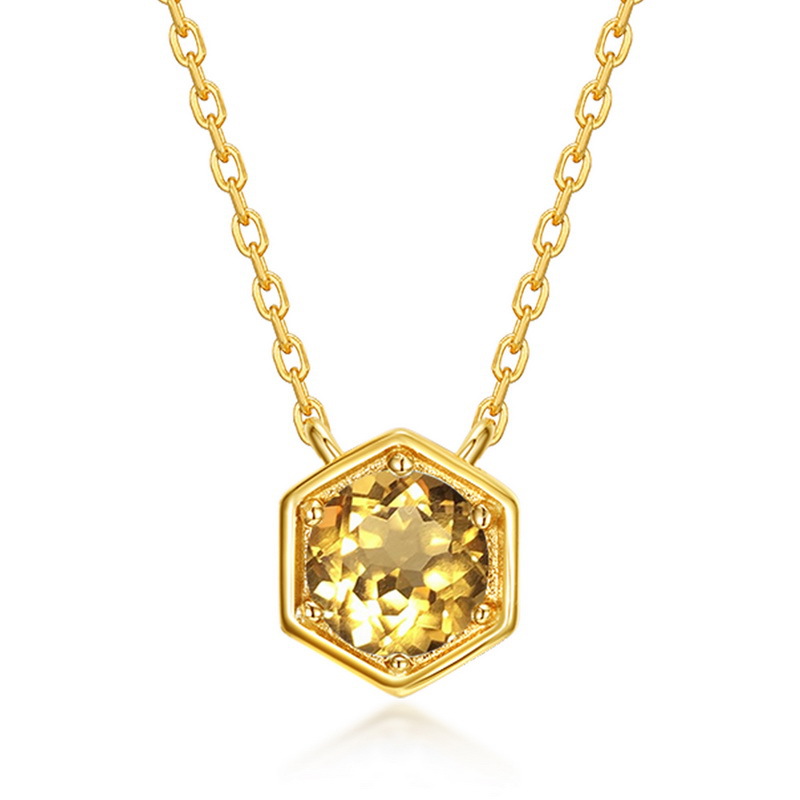
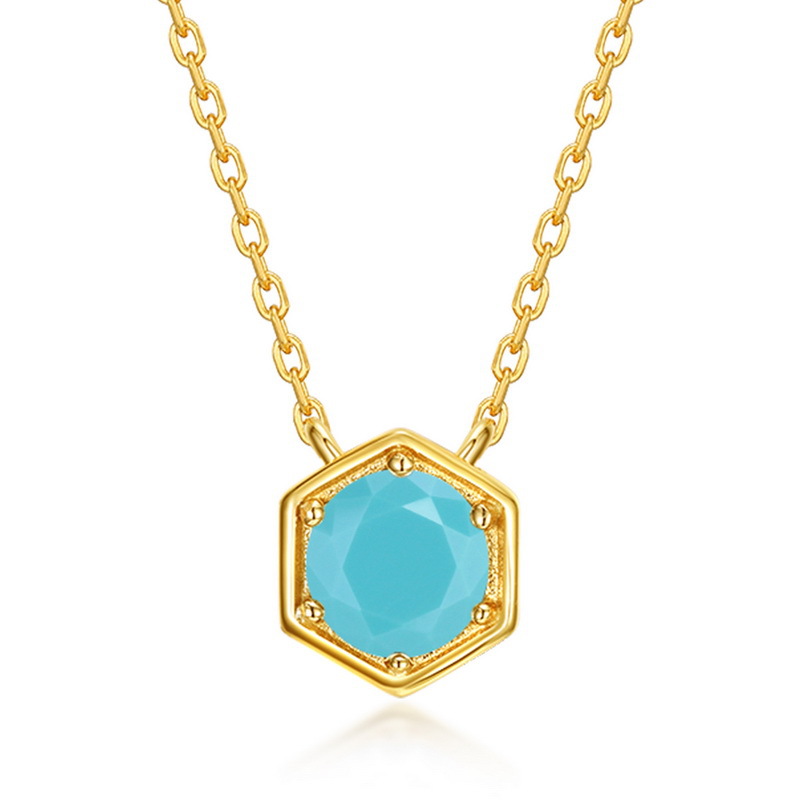
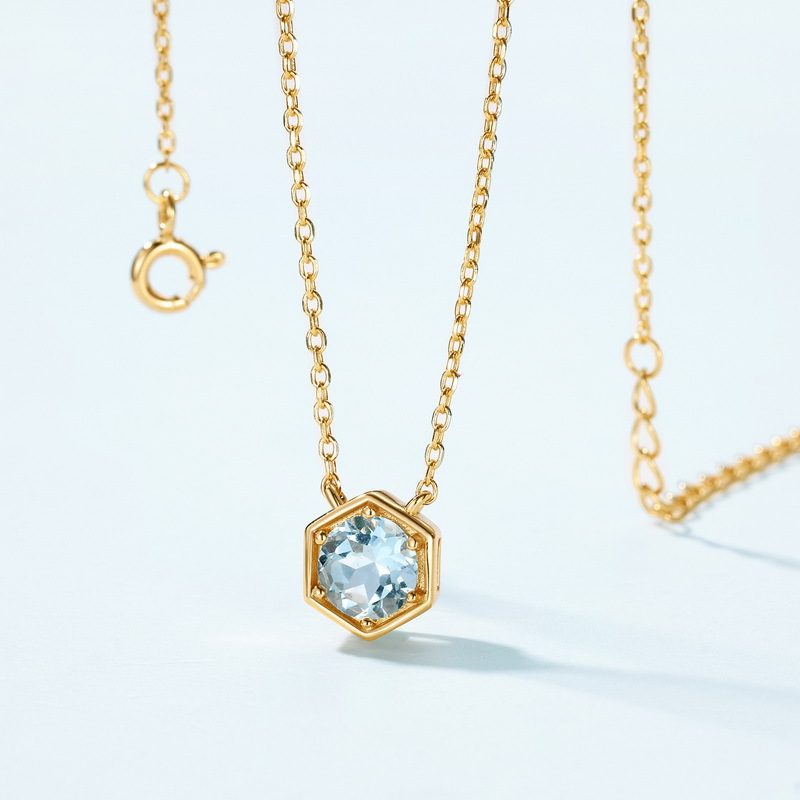
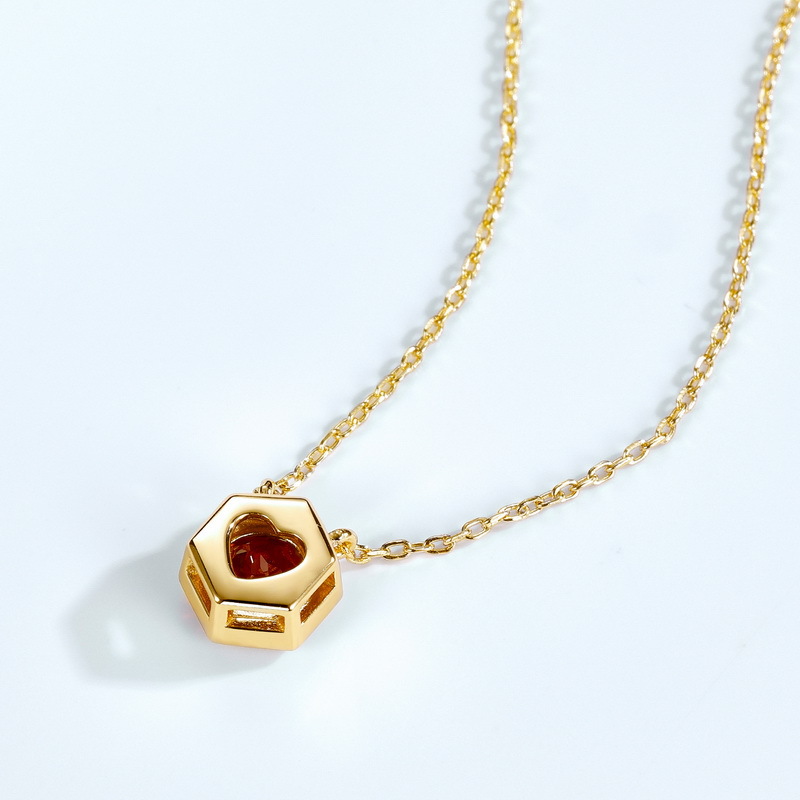
January – Garnet
-
Color: Deep red (most common), also available in orange, green, pink.
-
Symbolism: Love, loyalty, protection, vitality.
-
History: Worn as a talisman by travelers in ancient times.
-
Necklace Tip: Deep red garnet teardrop pendant on a gold or rose gold chain—classic and elegant.
February – Amethyst
-
Color: Purple, ranging from light lavender to deep violet.
-
Symbolism: Calmness, wisdom, honesty, spirituality.
-
History: Ancient Greeks believed it could prevent intoxication.
-
Necklace Tip: Oval or round-cut amethyst on silver or white gold chain—mystical and regal.
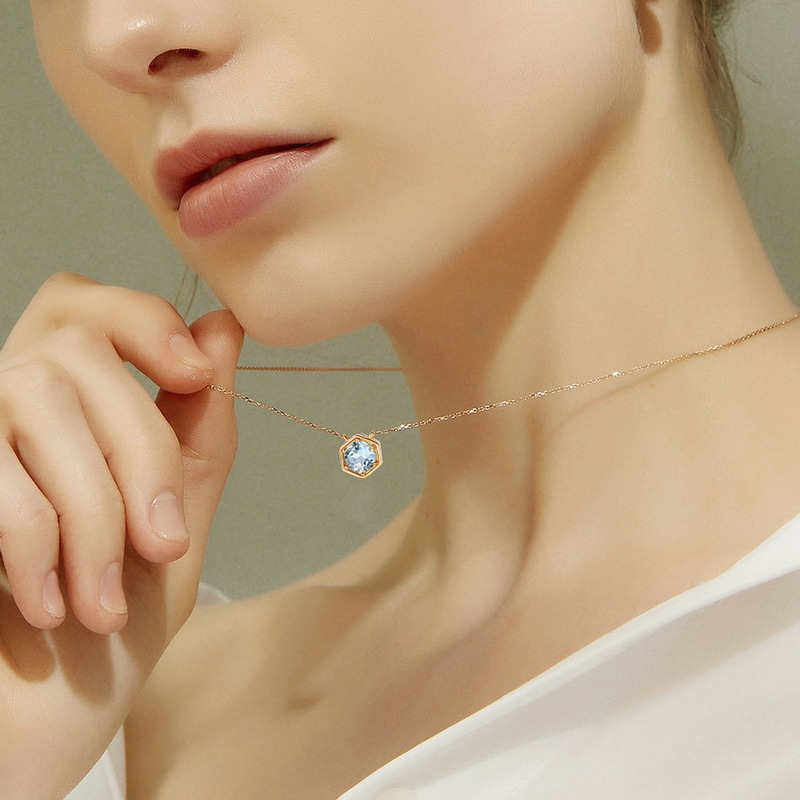
March – Aquamarine
-
Color: Light blue to blue-green.
-
Symbolism: Peace, courage, clarity, communication.
-
History: Known as the "sailor’s gem," believed to protect those at sea.
-
Necklace Tip: Teardrop or geometric-cut aquamarine, perfect with a silver chain and minimalist design.
April – Diamond
-
Color: Clear/white (most common), also found in many colors.
-
Symbolism: Eternal love, strength, purity.
-
History: Associated with love and engagement since the Middle Ages.
-
Necklace Tip: Classic single diamond pendant or modern geometric cluster—timeless elegance.
May – Emerald
-
Color: Vivid green to deep green.
-
Symbolism: Love, rebirth, wisdom.
-
History: Cleopatra was famously devoted to emeralds.
-
Necklace Tip: Square-cut emerald in gold setting—vintage and luxurious.
June – Pearl or Moonstone
-
Color: White, pink, black (pearl); milky white with a glow (moonstone).
-
Symbolism: Purity, elegance, feminine beauty.
-
History: Seen as a symbol of tears and maternal love.
-
Necklace Tip:
-
Pearl: Classic single pearl or string of small pearls;
-
Moonstone: Dreamy, set in silver or with tiny diamonds.
-
July – Ruby
-
Color: Deep red to vivid red.
-
Symbolism: Passion, vitality, courage, protection.
-
History: Considered the "king of gems" in ancient India.
-
Necklace Tip: Heart-shaped or round-cut ruby surrounded by diamonds—romantic and rich.
August – Peridot
-
Color: Light green with a yellow tint.
-
Symbolism: Luck, joy, healing.
-
History: Egyptians called it the “gem of the sun.”
-
Necklace Tip: Peridot beads or teardrop pendant on a gold chain—bright and cheerful.
September – Sapphire
-
Color: Deep blue (most popular), but also pink, yellow, green.
-
Symbolism: Loyalty, wisdom, nobility.
-
History: Believed to protect truth and purity.
-
Necklace Tip: Sapphire with small diamond accents—ideal for formal elegance.
October – Opal or Tourmaline
-
Color: Opal has iridescent rainbow flashes; tourmaline comes in many colors.
-
Symbolism: Creativity, intuition, hope.
-
History: Romans considered opal the “gem of all gems.”
-
Necklace Tip:
-
Opal: Carved or cabochon cut for maximum play-of-color;
-
Tourmaline: Multi-colored or gradient design—modern and fun.
-
November – Citrine or Topaz
-
Color: Warm yellow, orange, or honey tones.
-
Symbolism: Prosperity, warmth, joy.
-
History: Known as the “merchant’s stone” for attracting wealth.
-
Necklace Tip: Honey-colored citrine in vintage gold settings—perfect for autumn vibes.
December – Zircon, Turquoise, or Tanzanite
-
Color: Sky blue, turquoise, deep blue-violet.
-
Symbolism: Joy, travel, protection, good fortune.
-
History: Turquoise was sacred to many Native American cultures.
-
Necklace Tip:
-
Tanzanite: Deep blue-violet stone in a sleek setting;
-
Turquoise: Bohemian or tribal-style pendant;
-
Zircon: Sparkly and diamond-like—great alternative to traditional diamonds.
-